







Short answer
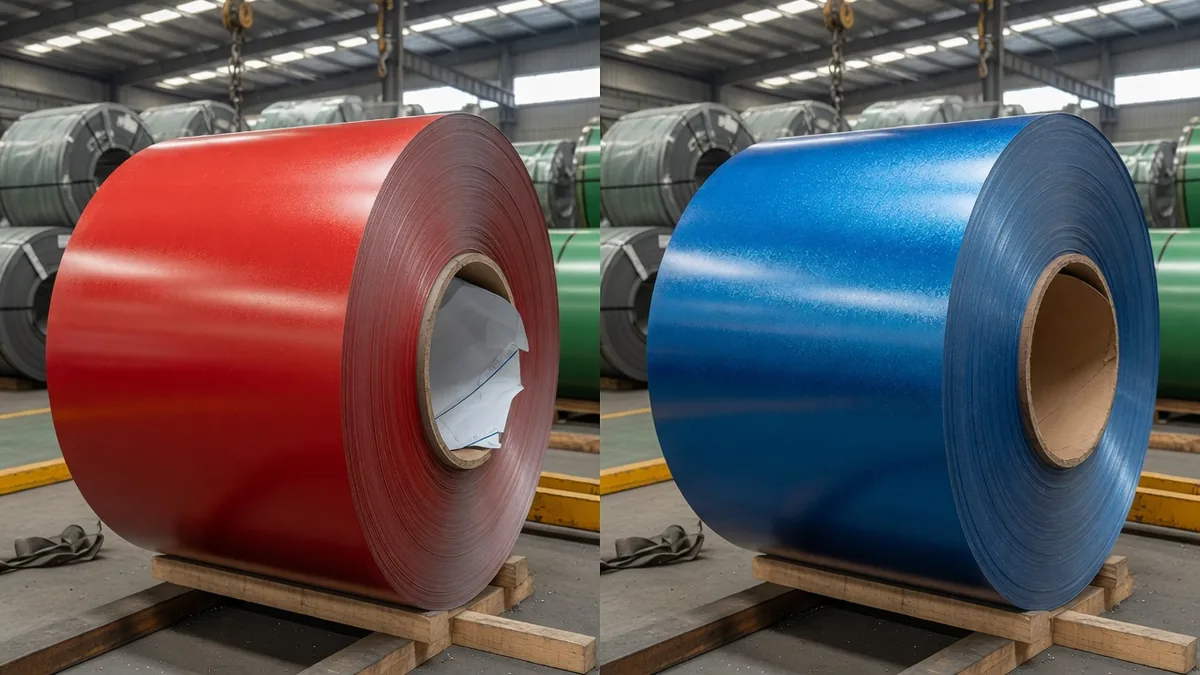
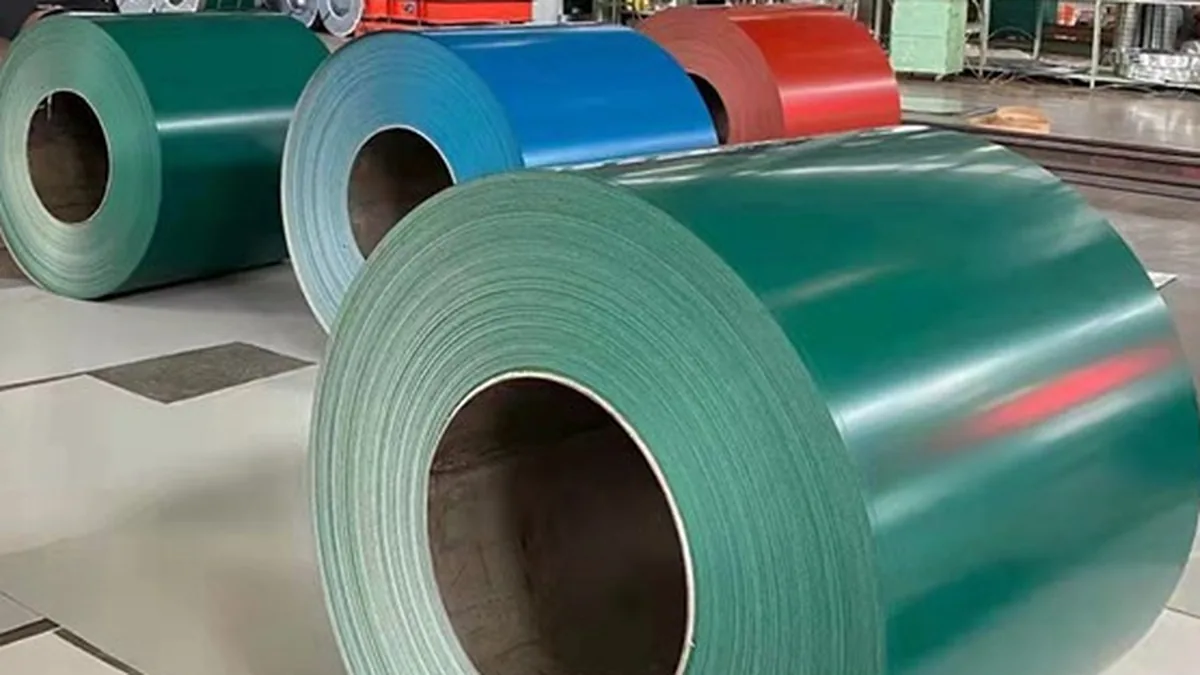
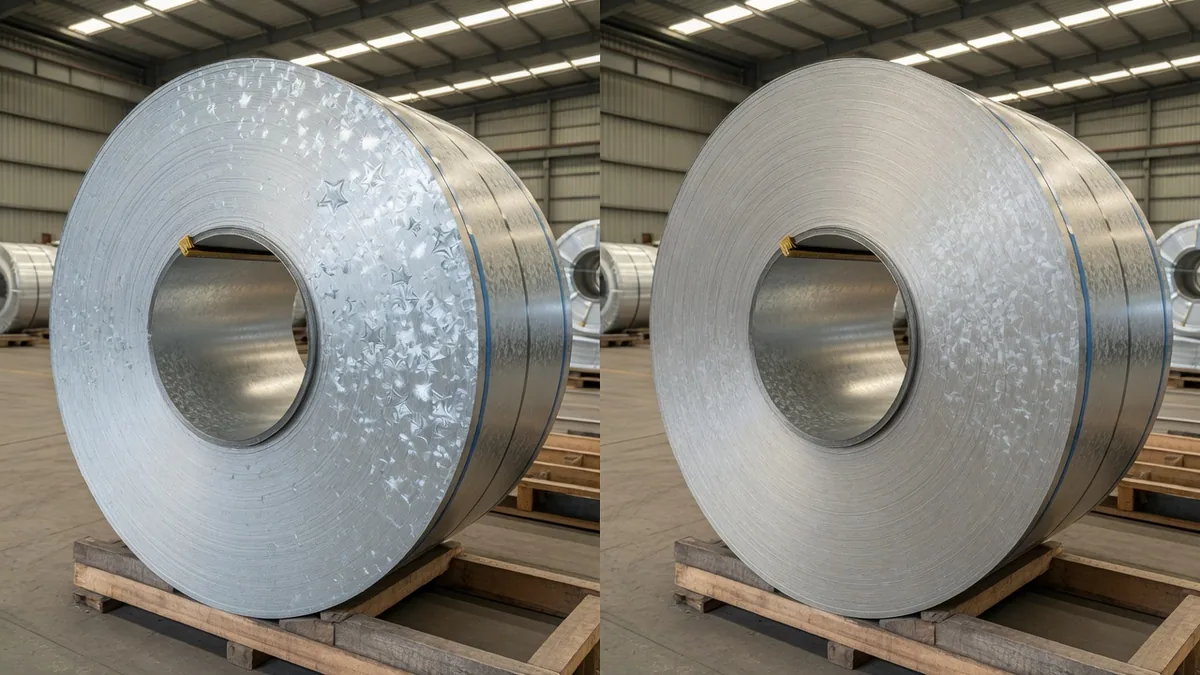
GI (hot-dip galvanized) is zinc-coated steel for construction, ductwork, framing, and many roofing substrates. GL / Galvalume is typically a 55% aluminum–zinc coating with stronger heat and atmospheric performance in many applications, including roofing and solar structures when AZ mass and detailing are correct.
Neither product is “always better.” The RFQ must lock standard, grade, coating mass, surface treatment, thickness × width, packing, and MTC—not only a product nickname.
GI vs GL at a glance
| Buyer decision | GI (zinc) | Galvalume (Al-Zn) | What to write in the RFQ |
|---|---|---|---|
| Metallic system | Zinc (Z / G designations) | ~55% Al-Zn (AZ designations) | Exact coating designation and test basis |
| Common standards | ASTM A653, EN 10346, JIS G3302 | ASTM A792, EN 10346, JIS G3321 | Name the standard family, not only “export grade” |
| Outdoor roofing substrate | Common with adequate zinc mass | Often preferred for long atmospheric life | Climate, bare vs painted, fastener system |
| High-temperature exposure | Limited vs Al-Zn systems | Generally better | Service temperature and color if painted later |
| Cut-edge / forming | Familiar zinc sacrificial behavior | Different cut-edge and forming caveats | Bend radius, roll-forming route, edge protection |
| Price conversation | Often lower metallic cost at similar mass | Often higher; value is durability | Compare total installed life, not only coil price |
When buyers typically choose GI
- General fabrication, light structure, HVAC duct, and projects where zinc is the market standard.
- Downstream powder coating or field painting designed for zinc substrates.
- Buyers who already qualify Z180 / Z275 (or G60 / G90 class) packing and inspection routines.
Review the family product page: Hot-Dip Galvanized Steel Coil / Sheet (GI) Z40–Z275.
When buyers typically choose Galvalume
- Metal roofing and cladding where atmospheric durability matters.
- Solar mounting and outdoor structures where AZ150-class performance is common industry practice (confirm project specs).
- Applications that benefit from aluminum-rich coating heat resistance.
Product page: Galvalume Steel Coil (GL / AZ) AZ30–AZ150.
Purchase-order checklist (both products)
- Standard and grade (for example DX51D+Z vs DX51D+AZ).
- Coating mass (Zxxx or AZxxx) and whether thickness is base metal or total.
- Thickness, width, coil ID, and max coil weight.
- Spangle / surface quality and treatment (chromate, Cr-free, oil, AFP).
- Mechanical targets if forming is severe.
- MTC / EN 10204 expectation and third-party inspection if required.
- Export packing for voyage climate (dry, sealed, edge protection).
For zinc mass selection detail, see Galvanized coating weight guide for roofing buyers. For writing a complete PO, see How to specify galvanized coil on a purchase order.
Roofing path note
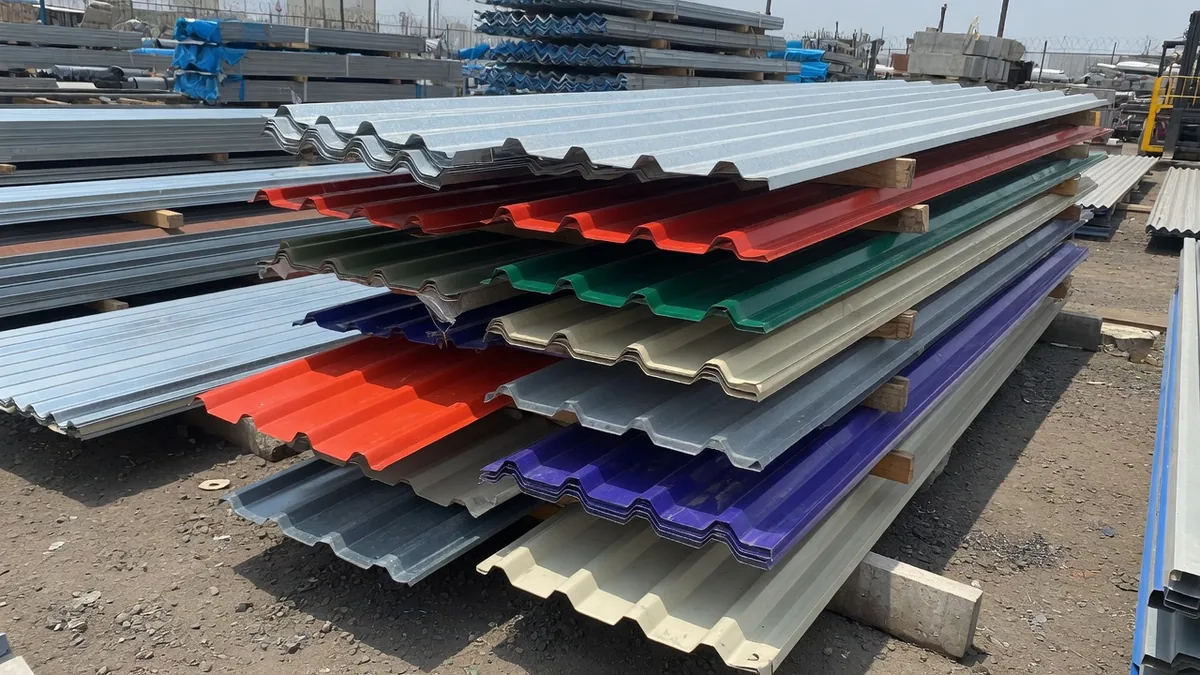
If the coil will be roll-formed into panels, also choose profile and cover width. Use the metal roofing profiles tool and the corrugated / trapezoidal roofing sheet product.
Key takeaway
Treat GI vs GL as a metallic coating system decision with standards and exposure rules—not a marketing synonym. Lock coating designation, standard, and forming route before you compare price.